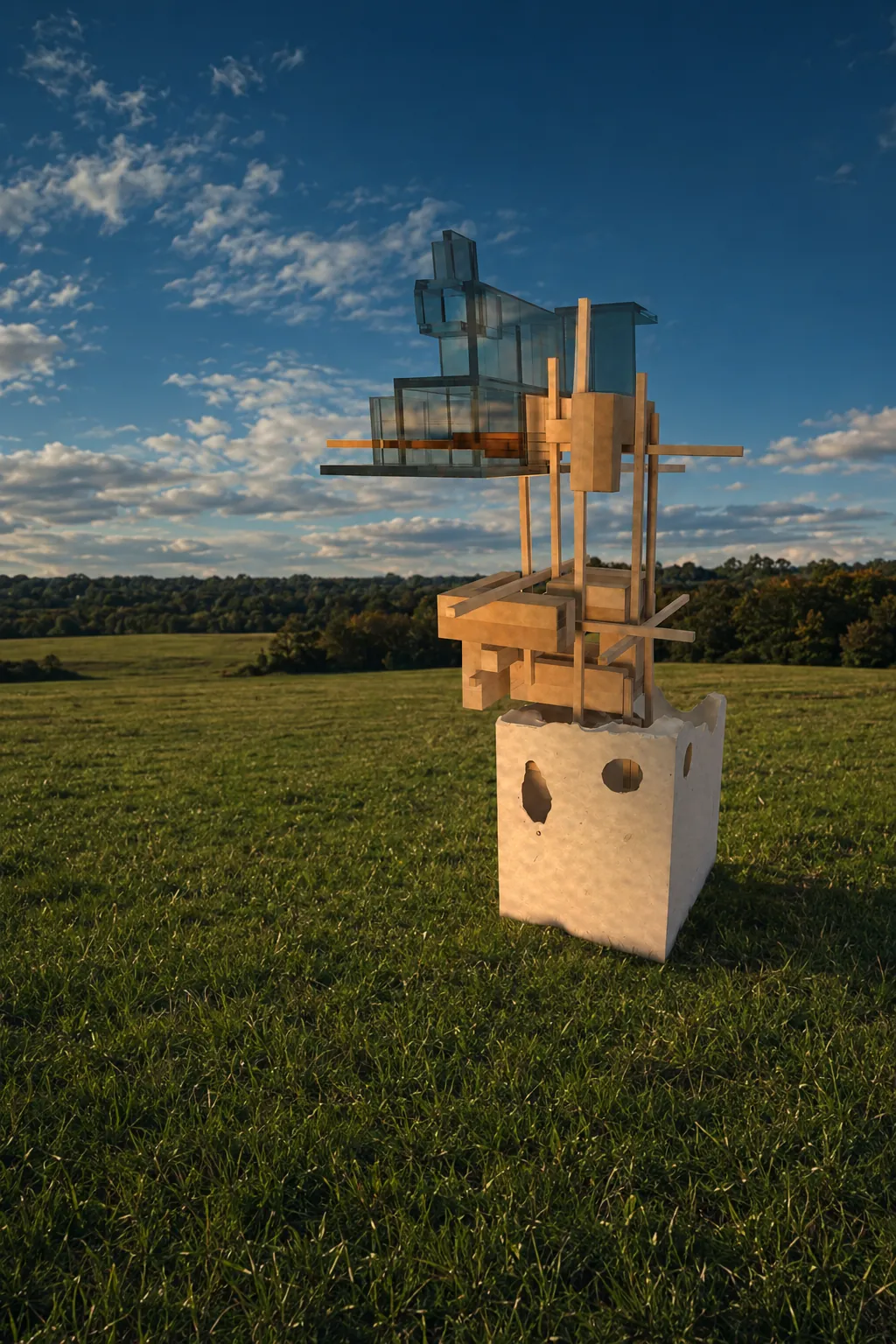
Physical models / Material studies
Thinking
with objects.
Hand-built studies that expose relationships a screen can hide.
Why model
Physical work makes proportion, sequence, balance, and failure impossible to fake.
These studies are not polished miniatures of finished buildings. They are thinking devices.
Ramps, apertures, axes, planes, material resistance, and the hand of construction reveal how an idea behaves before it becomes architecture.
Path · place · space
Making paths, and
places to pause.
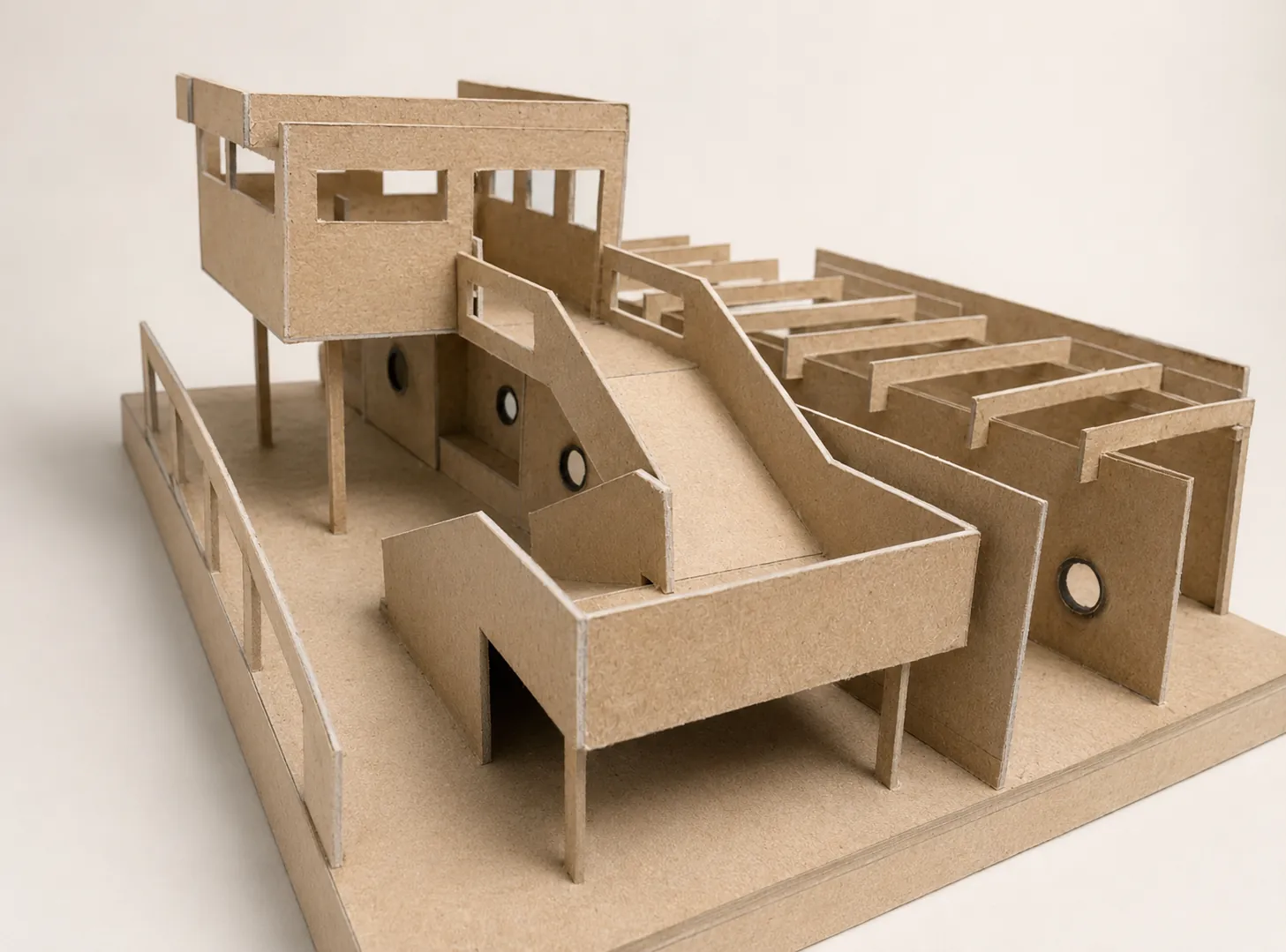
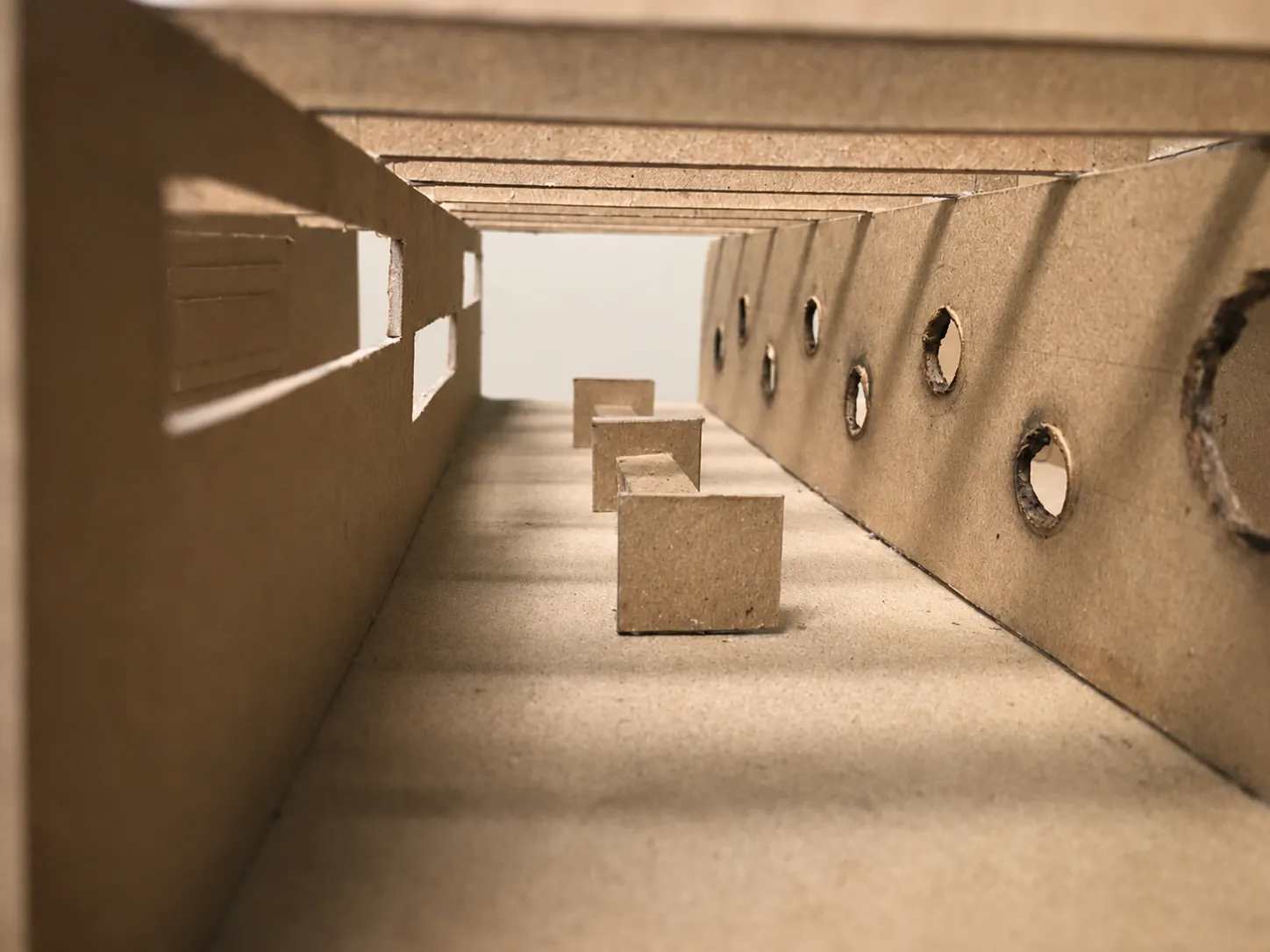
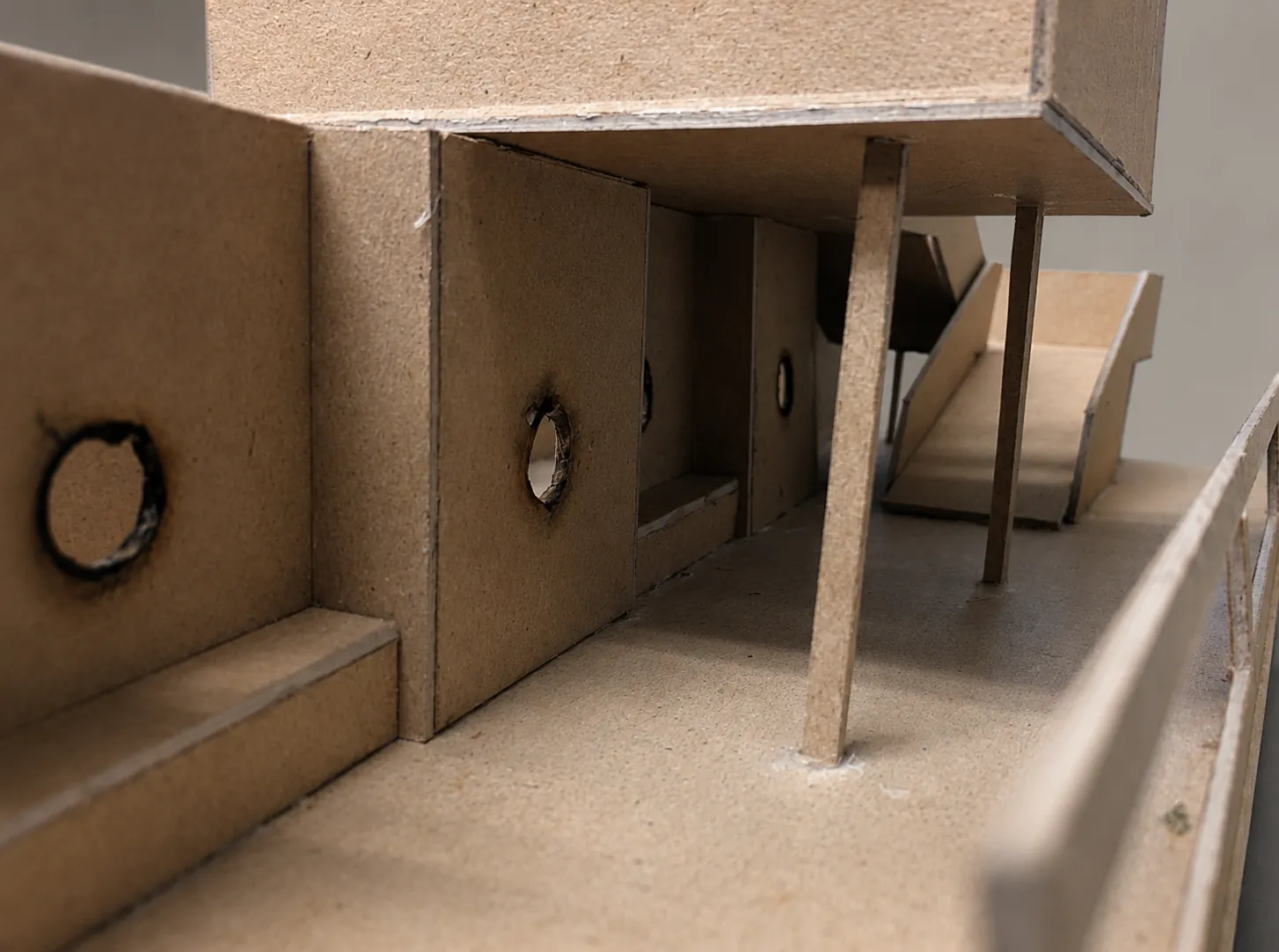
The model studies how a single route becomes architecture: ramps and narrow passages set the path, elevated platforms and carved niches become places to sit or gather, and circular apertures frame views along the way.
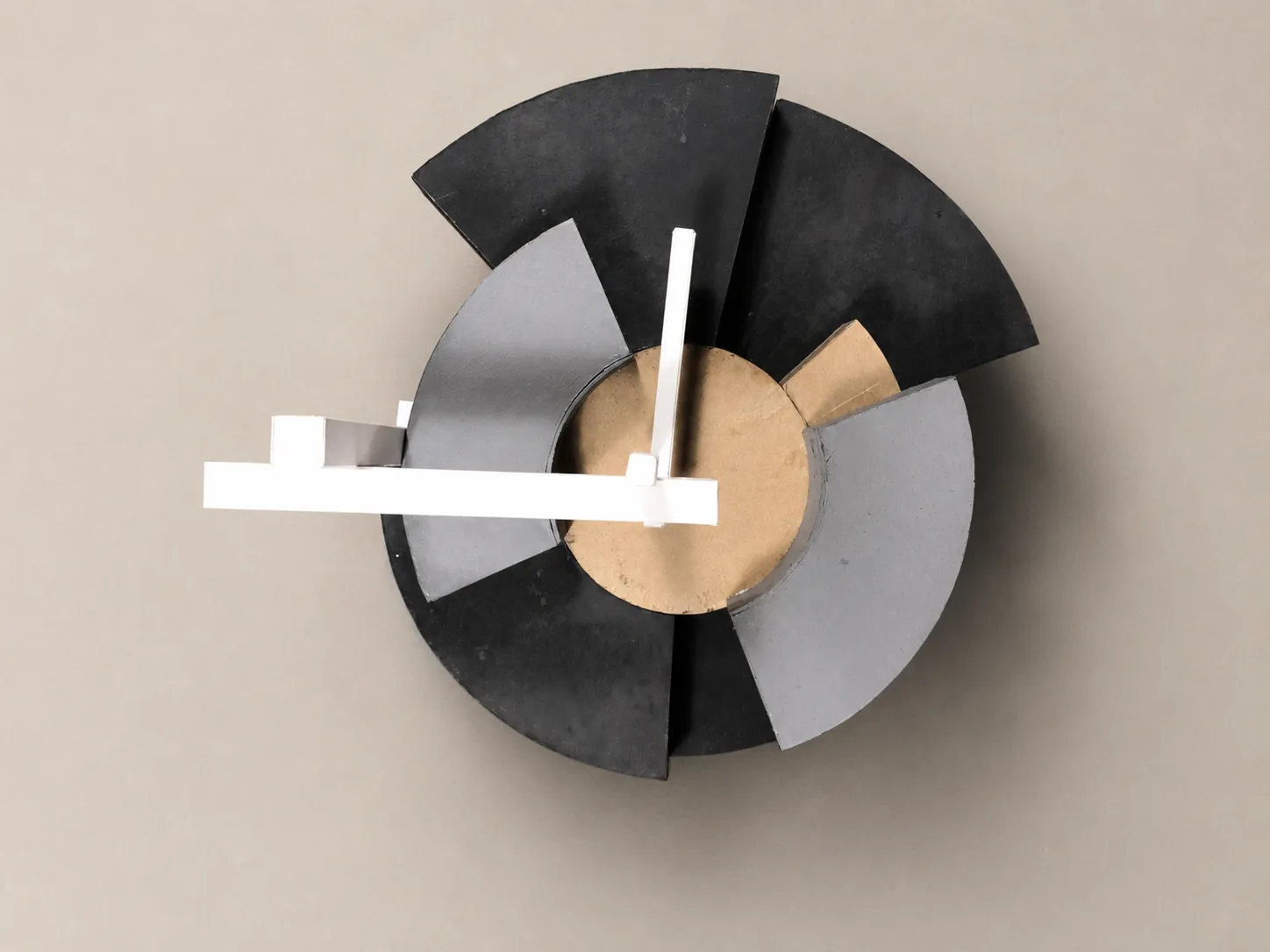
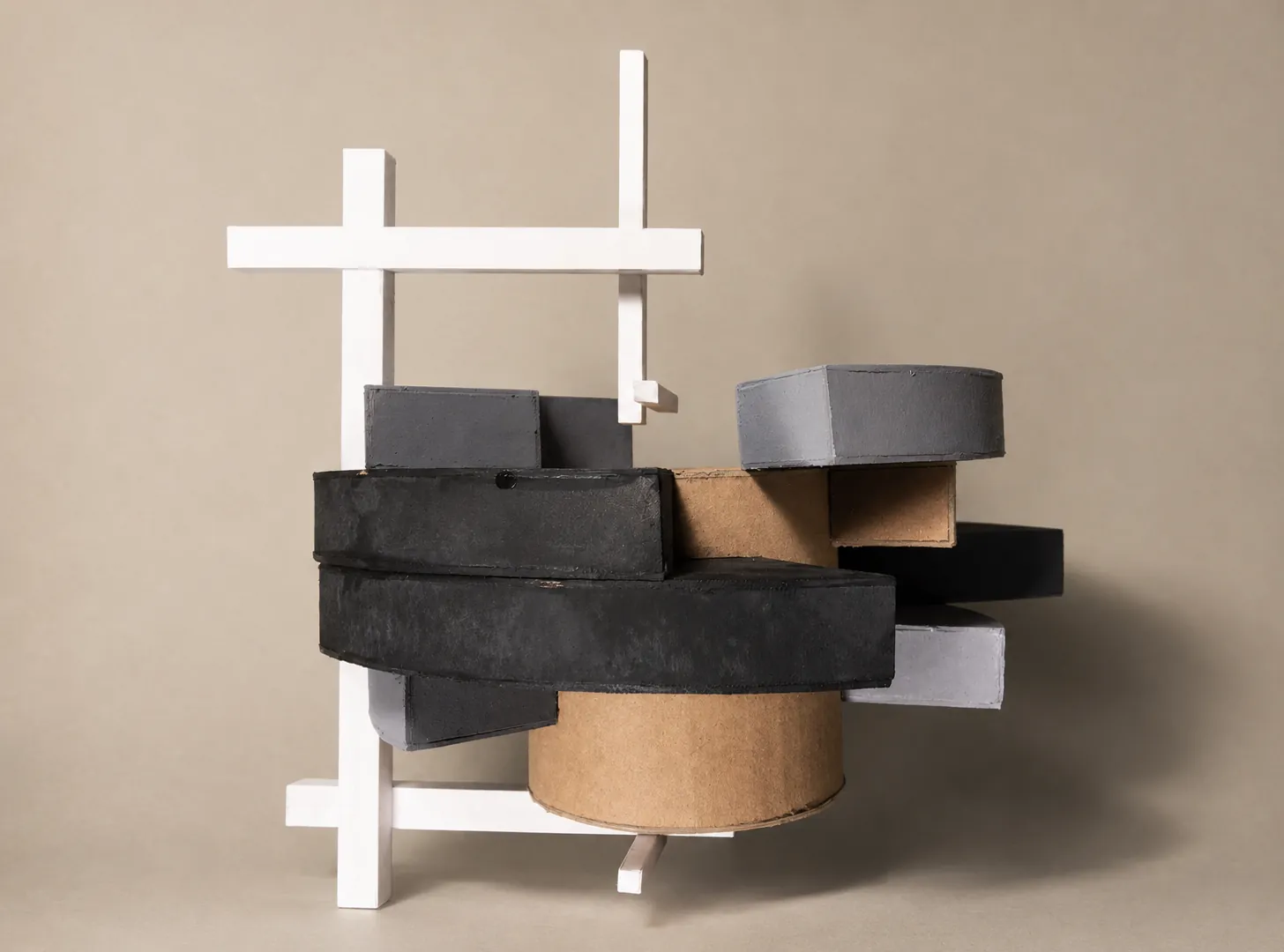
After El Lissitzky / axis + plane + void
Structure without
a prescribed program.
A three-dimensional study built after El Lissitzky's Proun work: curved black and grey fields rotate around a cylindrical core while white orthogonal axes hold the whole thing in tension, structure and movement that never resolve into a conventional room.
"The model is not the answer. It is the apparatus that makes the next question visible."
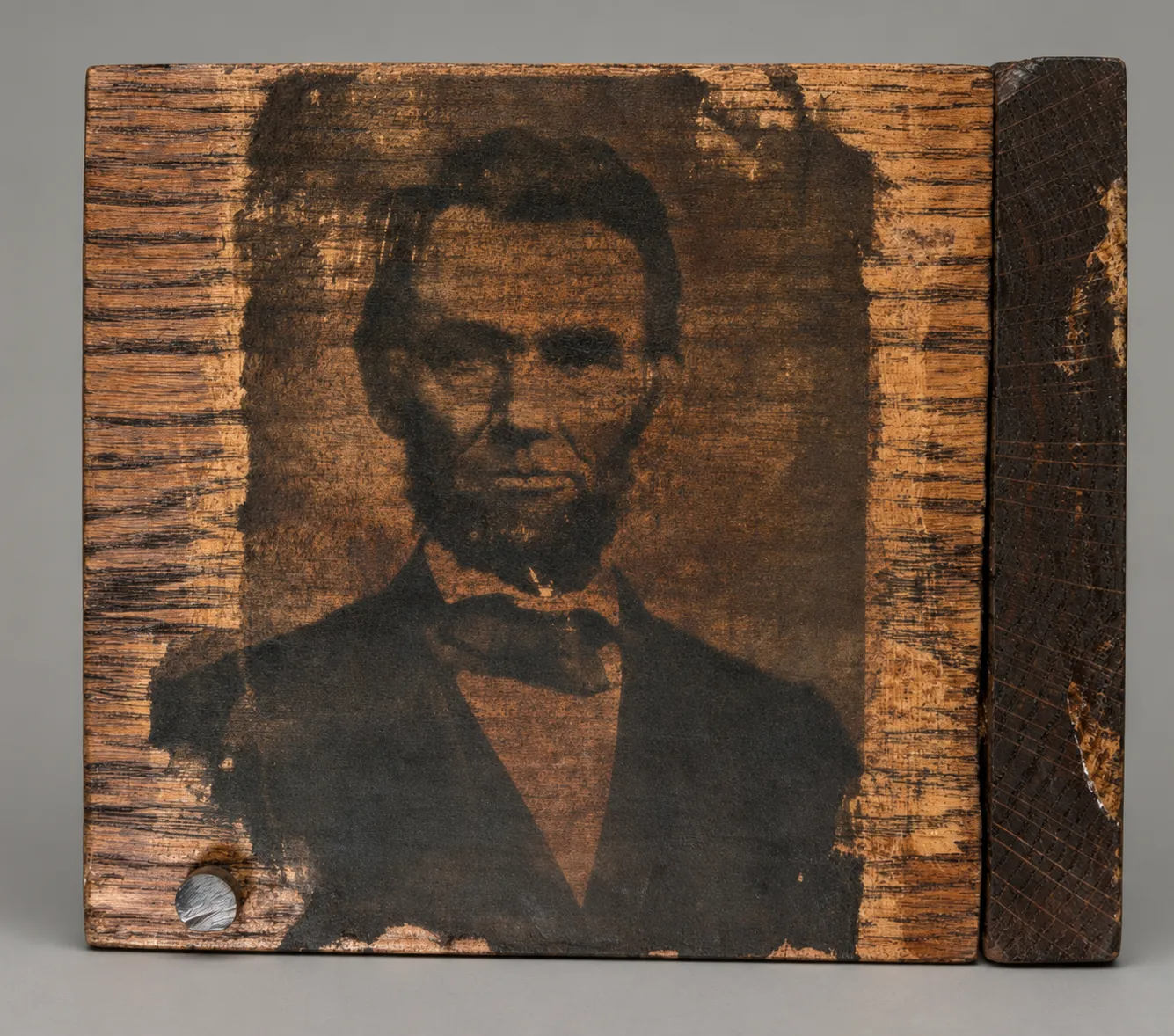
Material investigations
Heat, grain, graphite,
and reduction.
The point of the model
Prototypes turn abstract intent into something that can push back.
Proportion, balance, and sequence are decided in the hand before they are ever drawn, and that is as true for chipboard and charcoal as it is for the buildings they inform.
Continue / Skills